California-Ready Security: A Practical Guide to Protecting Homes and Businesses from Wildfire Risks, Evacuation Procedures, and Crime—Insider Tips from Private Security Experts
Assess and Create Defensible Space (Before Season)
1. Clear fuel: remove dead vegetation, trim branches 10 feet from structures, and maintain a 30-foot reduced-fuel zone where possible.
• Prioritize gutters, rooflines, and decks — embers travel.
• Store firewood and combustibles at least 50 feet away or off-site during high risk.
Build a Simple Emergency Supply & Document Kit
2. Essentials checklist (ready-to-grab): water (3 days), N95 masks, first-aid, flashlights, batteries, phone chargers, cash, and regional maps.
• Documents: IDs, insurance, property deeds, inventory photos — keep digital copies in cloud and one sealed hard copy.
Evacuation Planning & Communication Protocols
3. Create layered plans: Shelter-in-place criteria, staged evacuation triggers (advisory → imminent threat → mandatory), and primary/alternate routes.
• Designate an out-of-area contact and two meeting points (nearby and out-of-area).
• Communication: set family/business group chat, establish “I’m OK” status messages, and prewrite evacuation notifications for staff/customers.
Secure Property Quickly Before Evacuating
4. Fast-secure steps (do these if time allows):
• Shut off gas, unplug non-essential electronics, close and lock all windows and doors.
• Move vehicles to clear roads; park to allow emergency access.
• Activate timers for interior lights if leaving at night to simulate occupancy.
Layered Crime-Deterrence While You’re Away
5. Use overlapping, low-effort measures to reduce theft/vandalism risk:
• Exterior lighting: motion-activated and timed lights on entries and pathways.
• Access control: lock gates, secure sheds, and board vulnerable ground-floor windows if possible.
• Surveillance: visible cameras (even dummy cameras deter) and off-site video backup.
• Neighbors & network: enroll in neighborhood watch or informal check-ins; leave a trusted neighbor a contact number.
When to Call Professionals or Deploy On-Site Security
6. Hire a private-security team when any of the following apply:
• You expect an extended absence (more than 48–72 hours) in a high-risk zone.
• You have high-value assets on site or recent local crime spikes.
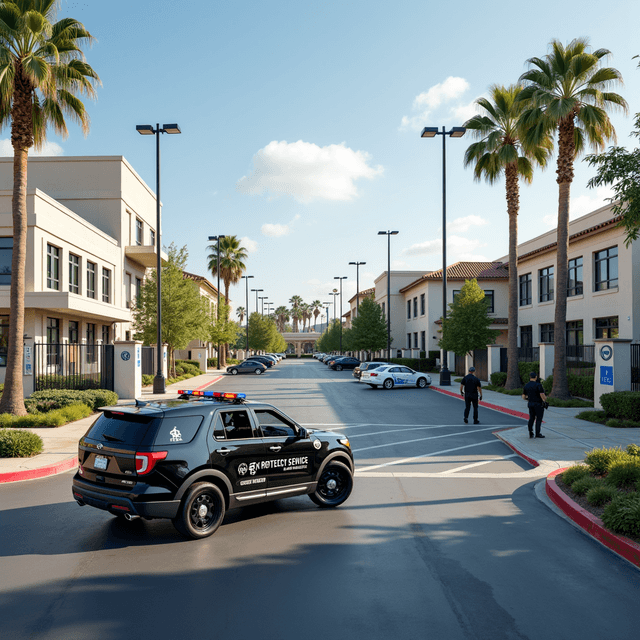
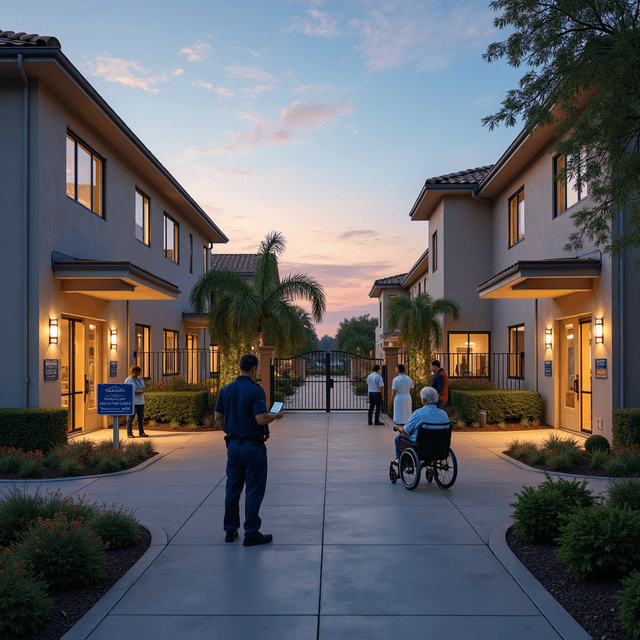
• You need coordinated patrols, gated-access monitoring, or rapid-response escorts for re-entry.
• Request services that include mobile patrols, alarm verification, and concierge re-entry coordination.
Post-Evacuation Return & Recovery Checklist
7. Re-entry protocol — safety first:
• Confirm official “safe to return” notices and check structural integrity before entering.
• Inspect for hazards (gas leaks, electrical damage) and photograph for insurance.
• Secure site immediately: re-lock, reinstate alarm systems, and arrange temporary on-site security if looting risk exists.
Timing Priorities — What to Do and When
8. Priority timeline:
• Season start (now): defensible space, document kit, and basic surveillance setup.
• Weeks ahead of threats: finalize evacuation routes, brief staff/family, and pre-book security if needed.
• When evacuation advisory hits: pack kit, secure per checklist, notify networks, and activate remote monitoring.
• After return: document damage, secure property, and call professionals for repairs and security if gaps remain.
Quick Decision Guide for Property Owners
9. Simple rules of thumb:
• Short absence in low-risk area = follow basic secure-before-leave steps.
• Extended absence or high-risk area = arrange private security patrols and off-site monitoring.
• Unsure? Prioritize a security consultation — a short assessment saves time and loss.
Where to Get Trusted Help
For California-tailored private-security services — patrols, alarm verification, and re-entry coordination — consider providers experienced with wildfire-response protocols. Learn more about practical options and service coordination at
Zenith Protective Service.
Final Practical Takeaways
10. Keep it simple and layered: reduce fuel, prepare a grab-and-go kit, lock and monitor, and call pros early when risk or absence increases. Small, timely actions cut damage and speed recovery.