California Parking Lot Security in 2026: CPTED-Driven Design, Access Control, and Mobile Patrols for Retail Centers and Office Campuses
Step 1 — Assess risk with a CPTED lens
Conduct a focused site survey: map entrances, blind spots, sightlines, nighttime use, and landscaping impacts. Prioritize areas where concealment, poor lighting, or hidden approach paths exist.
Step 2 — Implement CPTED fixes that work in California
Lighting: upgrade to full-cutoff LED fixtures with uniform lux levels across aisles and near pedestrian routes.
Sightlines: trim or replace dense shrubs with low, non-obstructive plantings; remove fixed screen clutter around access points.
Natural surveillance: orient walkways and parking aisles toward building entries and staffed zones to increase passive oversight.
Territorial definition: use pavement markings, low bollards, and signage to clarify public vs. private zones without creating hiding places.
Step 3 — Choose access control that fits use and budget
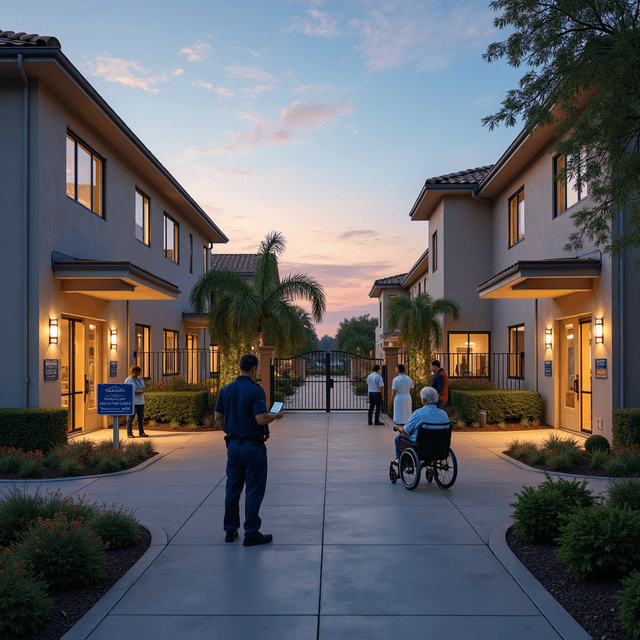
Perimeter gates vs. selective access: use gates where vehicle control is required; use passive measures (speed tables, chokepoints) for open retail lots.
License plate recognition (LPR): deploy LPR for leased areas and backend enforcement; keep privacy and retention policies aligned with California law.
Visitor management: combine clear visitor flows with short-term validation (QR or SMS passes) to limit tailgating and unauthorized parking.
Step 4 — Layer cameras and analytics smartly
Place cameras to cover ingress/egress, payment stations, and pedestrian paths. Use analytics for loitering, perimeter breaches, and vehicle dwell detection—tune alerts to reduce false positives.
Step 5 — Integrate licensed mobile patrols and rapid response
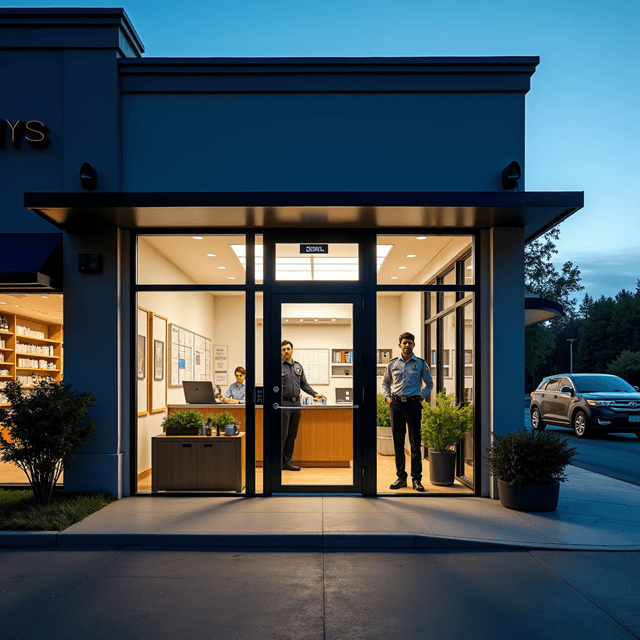
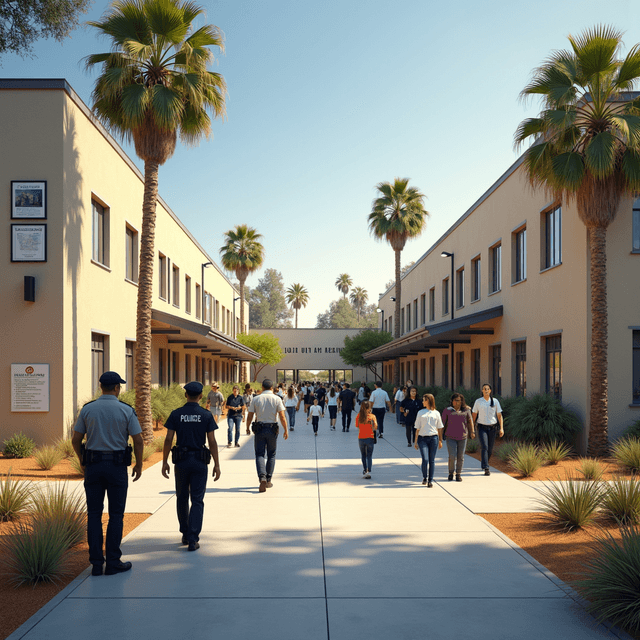
Schedule visible, randomized patrols during peak risk windows and after-hours. Patrols deter loitering, vandalism, and theft before incidents escalate.
Define rapid-response triggers (alarm, LPR hit, staff call) and establish clear escalation times and communication protocols with local law enforcement and property managers.
Step 6 — Align with California rules and sustainability
Ensure lighting, data retention, and signage comply with state and local ordinances. Choose energy-efficient systems and drought-tolerant landscaping to meet environmental mandates and reduce operating costs.
Step 7 — Measure what matters: KPIs and reporting
Track metrics: incident counts by type, response time, patrol coverage hours, LPR matches, and customer/staff safety ratings. Use monthly dashboards to justify upgrades and adjust patrol patterns.
Step 8 — Deploy a phased, cost-effective rollout
Prioritize low-cost, high-impact changes first (lighting, sightlines, patrol schedules). Phase in tech (LPR, analytics) and gatework based on KPI improvements and budget cycles.
Step 9 — Train staff and standardize procedures
Train property teams on incident recognition, visitor procedures, and how to work with mobile patrols. Maintain written SOPs for after-hours incidents and vendor coordination.
Conclusion — Combine design, tech, and patrols
When CPTED-informed design, targeted access control, and licensed mobile patrols are integrated, parking lots become safer and more welcoming—reducing theft, vandalism, and loitering before threats arrive. For turnkey consulting, technology integration, and patrol services tuned to California requirements, consider a partner who manages design through response as a single program, such as
Zenith Protective Service.
Quick checklist
• Conduct CPTED site survey
• Fix lighting, sightlines, and landscaping
• Select access control (gates, LPR, visitor passes)
• Add targeted cameras and analytics
• Schedule randomized licensed mobile patrols and set rapid-response SLAs
• Track KPIs and phase investments