California Security Trends 2026: Proactive Crime Prevention for Small Businesses
Trend snapshot: In 2026 small businesses in California are shifting from single-layer defenses to pragmatic, layered security — combining hardened doors and lighting with access control, mobile patrols, and AI-powered monitoring. The goal: reduce theft, cut false alarms, speed investigations, and stay compliant with California privacy rules.
What's changing in 2026
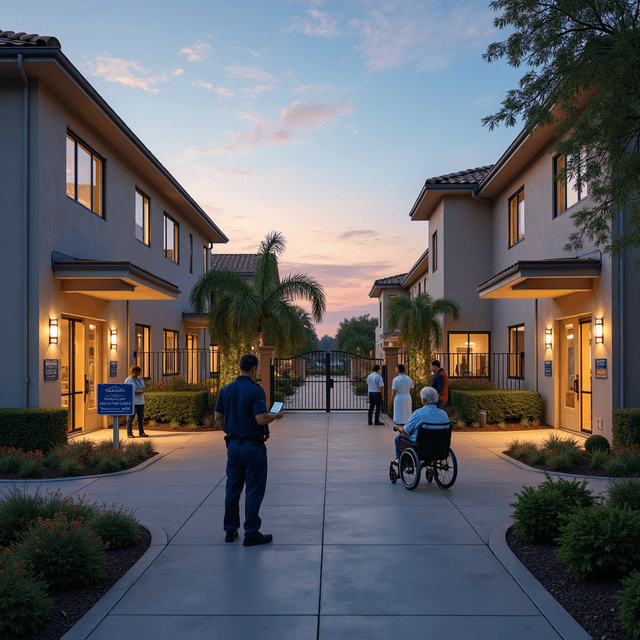
• Physical security is becoming smarter: smart locks and keycard systems are affordable enough for many small premises, not just enterprise sites.
• AI video analytics move from “nice-to-have” to mission-critical: fewer false alarms, automatic incident flagging, and faster evidence collection.
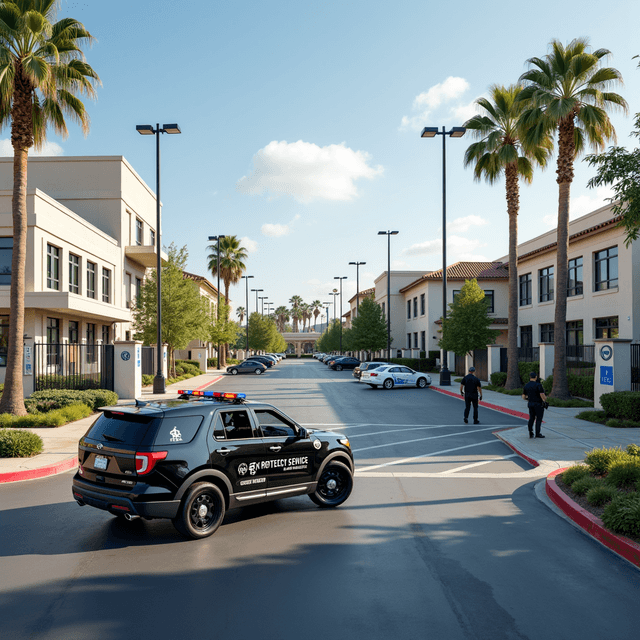
• Mobile patrols and hybrid response models (on-site staff + remote monitoring + occasional patrols) offer cost-effective deterrence, especially in shopping strips and office parks.
• Regulation and privacy matter more: California-specific rules affect camera placement, audio capture, employee notice, and retention policies.
Analysis: Why layered security wins
Layered security reduces single points of failure. A locked door alone delays a thief; combine it with an access-control log, exterior lighting, camera analytics, and patrols, and you both deter and make incidents actionable. AI makes monitoring scalable — it separates real incidents from noise so limited staff or a remote operator can focus on genuine threats.
Practical quick-start checklist for California small businesses
• Doors & locks: Replace weak cylinder locks with ANSI-rated deadbolts; consider smart locks or keycard access for staff areas.
• Exterior lighting: Install motion-activated, warm LED lighting on entries and alleys; keep photocell timers for consistent dusk-to-dawn coverage.
• Cameras: Cover main entrances, cash points, and blind spots with high-resolution, IR-capable cameras. Avoid capturing public sidewalks beyond your property without legal review.
• AI monitoring: Use basic analytics (line crossing, loitering, object left/removed) to cut false alarms and tag incidents automatically.
• Alarms & integration: Integrate alarms, cameras, and access logs into one dashboard to speed investigations.
• Mobile patrols: Contract scheduled random patrols for high-risk hours rather than continuous staffing to manage cost.
• Policies: Create a camera and data-retention policy that follows California privacy guidance and documents retention windows.
When to upgrade: smart locks, keycards, or access control
• Low urgency (small retail, low staff turnover): Harden doors, add keypad or basic smart locks.
• Medium urgency (office with inventory, multiple staff): Install keycard or mobile credential systems to log entries and limit access zones.
• High urgency (warehouse, high-value stock, multi-tenant): Full access-control with audit logs, timed schedules, and integration to video and alarms.
How AI video analytics deliver ROI
• Reduced false alarms — fewer costly dispatches and fines.
• Faster investigations — AI-tagged clips cut search time from hours to minutes.
• Deterrence effect — visible analytics-equipped cameras lower repeat incidents.
Measure ROI with three metrics: incident rate (pre/post), average response time, and net cost of losses + security spend. Aim for a one- to two-year payback on combined hardware + monitoring for small-to-mid projects.
Mobile patrols: where they fit
• Best for business corridors, multi-tenant plazas, and properties with limited staff at night.
• Use mixed models: scheduled patrols for deterrence + on-demand response when analytics or alarms flag incidents.
• Define cadence based on incident history and foot traffic — start weekly and scale frequency up or down based on measurable change.
California compliance & privacy considerations
• Camera placement: Avoid recording areas where there’s a reasonable expectation of privacy (restrooms, employee break rooms).
• Notice & signage: Post visible notice if areas are monitored; maintain clear employee policies on surveillance and access logs.
• Data retention: Document retention periods and deletion policies. Keep footage only as long as necessary for incident response or legal reasons.
• Audio capture: Generally higher legal risk; only use where lawful and necessary, with appropriate notices and legal review.
Realistic case scenario — modest budget, measurable results
Scenario: Independent California storefront with occasional shoplifting and after-hours break-ins.
Actions:
• Replace entry lock with ANSI deadbolt + smart lock for staff (cost-effective)
• Install two 4K cameras covering front door and register with AI analytics (loitering, line crossing)
• Add motion-activated exterior LED lights and visible signage
• Contract bi-weekly mobile patrols during high-risk night hours
Results within 6 months (typical): 40–60% drop in theft incidents, 50% faster evidence collection, and one documented arrest/deterrence from patrol presence.
Actionable next steps
• Run a 30-minute site risk review: map entries, camera blind spots, and staff access needs.
• Prioritize quick wins: doors, lighting, and a single AI camera feed integrated with an alarm panel.
• Track baseline metrics for 90 days (incidents, response time, losses) so upgrades show clear ROI.
Where to get help
If you want a tailored plan or managed monitoring that blends access control, AI analytics, and mobile patrols, explore local experts who understand California rules and small-business budgets. For services aligned with these steps and compliant deployments, see
Zenith Protective Service for consulting and managed options.
Future outlook
Expect continued convergence: cheaper edge AI, tighter integration between access and video systems, and more hybrid security products aimed at small businesses. The smartest firms will focus on measurable outcomes — fewer incidents, faster response, and clear compliance — not just tech for its own sake.
Want a full outline or a 1,200–1,500 word draft based on this trend analysis? Request it and we'll deliver a detailed, California-compliant plan with cost estimates and timelines.