California Senior Living Security 2026: Integrating CPTED, Access Control, and Mobile Patrols to Protect Residents
How to build a CPTED-backed security plan for senior living
Start with a facility-specific risk assessment that covers assisted, independent, and memory-care areas. Map entry points, sightlines, resident movement, staffing patterns, and victim-vulnerable zones (dining rooms, courtyards, elevators, memory-care exits).
Use those findings to prioritize low-cost, high-impact CPTED interventions: natural surveillance, territorial reinforcement, access control layering, and maintenance protocols that remove hiding spots and improve visibility.
Step 1 — Tailored risk assessment (practical checklist)
• Define scope: building types, population, hours of highest risk.
• Inspect physical layout: entrances, landscaping, lighting, signage.
• Review access points: staff, vendors, deliveries, visitor flows.
• Evaluate resident needs: cognition, mobility, privacy preferences.
• Check regulatory and emergency needs: California evacuation routes, shelter-in-place plans, local reporting requirements.
Step 2 — Apply CPTED senior living California strategies
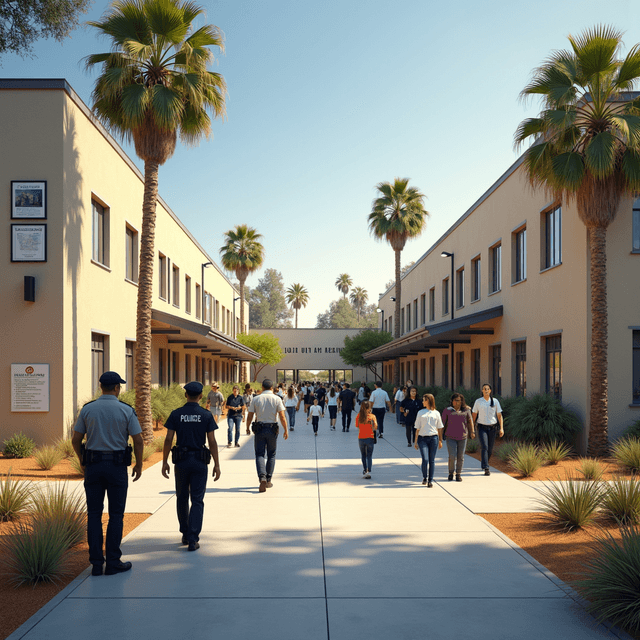
• Natural surveillance: open sightlines across common areas; low, trimmed landscaping near paths and entranceways.
• Access definition: clear boundaries between public and resident-only spaces using material, lighting, and signage.
• Lighting and wayfinding: uniform, glare-free illumination with contrast for residents with vision loss.
• Activity support: locate staffed activities and amenities where staff presence naturally deters incidents.
Step 3 — Scalable access control and visitor management
• Tiered access: combine electronic door locks for resident wings, keycard or fob access for staff, and controlled visitor check-in at main lobby.
• Privacy-first visitor flow: capture only necessary visitor data and retain it per California privacy rules; use clear consent statements for memory-care visits.
• Integration: connect access logs with incident management and mobile patrol dispatch for fast follow-up.
Step 4 — Operational role of mobile patrol California security
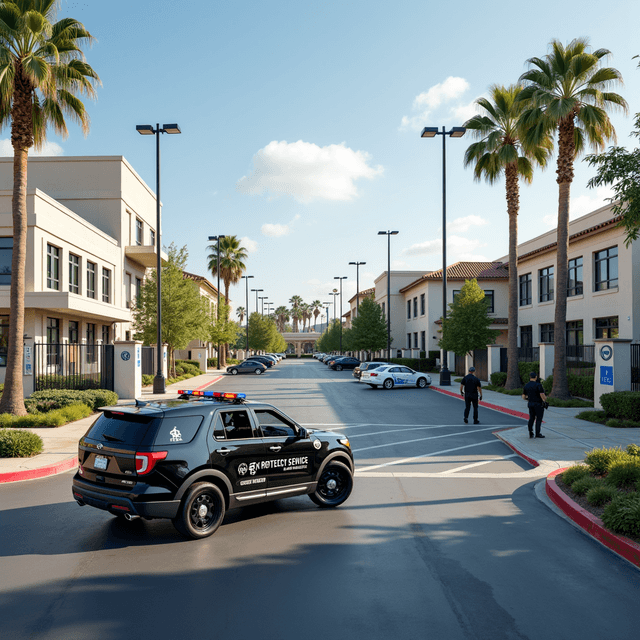
• Deterrence plus response: scheduled and randomized patrols increase perceived risk for would-be offenders and provide rapid on-site response for alarms or welfare checks.
• Resident-facing conduct: train patrol teams on elder-care etiquette, dementia-aware approaches, and de-escalation.
• Technology-enabled: equip patrols with live access to floor plans, access logs, and two-way communications to coordinate with staff and first responders.
Step 5 — California-specific emergency preparedness
• Evacuation and shelter-in-place: create clear, mapped procedures tailored to mobility and cognitive needs; rehearse quarterly with staff and include mobile patrols in role assignments.
• Regulatory alignment: document procedures to meet state licensing and local fire/EMS rules; keep records for drills and incidents.
• Communication: use multi-channel alerts (PA, SMS to staff, phone trees) and ensure redundancy during outages.
Implementation checklist (ready-to-use)
• Complete risk assessment and CPTED mapping
• Prioritize 1–3 immediate CPTED fixes (lighting, trim landscaping, remove blind spots)
• Install tiered access control and visitor-management system
• Contract licensed mobile patrol California security with elder-care training
• Draft and drill evacuation and shelter-in-place plans
• Establish data-handling policies that meet California privacy expectations
• Track incidents, response times, and drill outcomes monthly
ROI and vendor-selection guidance
• Measure baseline incidents, call-for-service frequency, and staff overtime tied to security tasks.
• Estimate savings from fewer incidents, reduced staff supervisory hours, and lower liability exposure after implementing layered controls and patrols.
• Choose licensed providers with elder-care experience, clear pricing for scalable access control, and documented response SLAs. Ask for references from California senior-living operators and sample drill reports.
Final operational tips
• Start small: implement CPTED fixes first, then add access-control phases and patrol coverage as ROI becomes clear.
• Involve residents and families early to explain privacy safeguards and visit policies.
• Maintain monthly review cycles: incident trends, system logs, and drill outcomes should drive the next quarter’s priorities.
Where to get started
Partner with a licensed, elder-care-aware provider that can combine CPTED consultation, access-control installation, and mobile patrol California security services under one plan. For practical partnerships and local expertise, consider vetted providers like
Zenith Protective Service to align safety, compliance, and resident dignity.