Smart Security for California Homes: A Practical How-To Guide to Systems, Mobile Patrols, and Crime Prevention in 2026
Follow these clear, actionable steps to assess risk, combine smart home security with mobile patrol California services, and prepare for seasonal challenges like wildfire evacuations.
1. Quick risk assessment: know your property's profile
1. Map entry points: doors, ground-floor windows, garages, gates.
2. Identify high-risk times: night, vacation, evacuation periods during wildfire season.
3. Note environment: rural vs. suburban vs. multi-unit—this affects patrol routes and camera placement.
4. Score threats: theft, vandalism, squatting after evacuation, and fire-related access issues. Prioritize fixes by likelihood and impact.
2. Core system checklist: alarms, cameras, and locks
• Alarms: verified alarm panel with cellular backup and monitored response. Ensure sensors cover all primary entries and glass breaks.
• Cameras: mix of exterior PTZ or wide-angle for approach paths and focused cameras for entrances. Choose 2–4K resolution with night vision and local + cloud recording.
• Smart locks: code-based or app locks with audit logs. Use unique codes for guests, contractors, and temporary codes for evacuation periods.
• Power & connectivity: battery backups, UPS for routers, and cellular failover for monitoring.
3. Integrating tech and mobile patrols
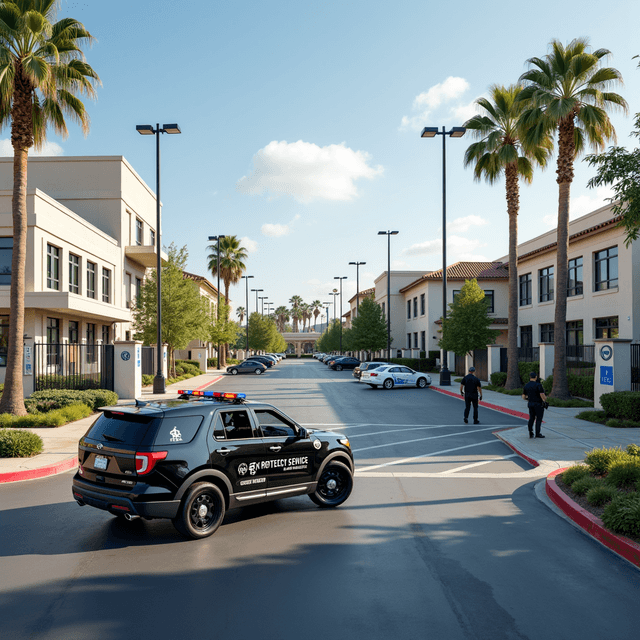
• Triggered response: configure camera motion + verified alarm events to notify your mobile patrol California provider for a physical check.
• Remote verification: use two-source verification (camera clip + alarm) to reduce false dispatches and speed patrol response.
• Scheduled checks: set regular drive-by or on-foot patrols during high-risk windows (evacuation notices, holidays, work hours).
• Communication loop: establish clear protocols—what the patrol will do on arrival, when police are called, and how you’re notified.
4. Seasonal planning: wildfire and evacuation-ready steps
• Pre-season: test alarms, charge backups, clear vegetation that blocks sensors or camera views.
• Evacuation mode: set smart locks to allow temporary access codes for trusted neighbors or patrols, pause nonessential notifications, and instruct patrols on locked-access checks.
• Post-event recovery: prioritize check-in patrols once authorities allow returns; secure doors, document damage, and preserve video evidence for claims.
5. Cost-effective upgrade paths by neighborhood type
• Urban/suburban starter: monitored alarm, two exterior cameras, smart lock, quarterly patrol check-ins.
• Mid-level: add high-res cameras with cloud retention, door/window sensors on outbuildings, monthly patrols during peak risk.
• Rural/seasonal: cellular-first monitoring, additional perimeter cameras, weekly patrols with extended drive-by routes.
6. Choosing providers in California: security systems and mobile patrols
• Verify licensing: confirm mobile patrol California company is licensed and insured; ask for local references.
• Response SLA: get explicit dispatch and on-site times for alarm verification and patrol checks.
• Integration ability: ensure the alarm/camera vendor supports secure third-party access for your patrol provider or uses an open API.
• Transparent pricing: itemize monitoring, dispatch, patrols, and any video retrieval fees.
7. Privacy and legal considerations (California-specific)
• Camera placement: avoid recording private areas of neighbors. Post visible notice if you record common areas when required.
• Data handling: choose vendors with clear retention policies and options to delete footage; confirm encryption in transit and at rest.
• Access logs: maintain audit trails for who accessed video or lock codes—important after evacuations or incidents.
8. Quick action checklist for homeowners
• Test alarm and camera backups now.
• Register a verified contact list and emergency codes.
• Schedule a coordination call between your system provider and mobile patrol company.
• Create a post-evacuation security plan with prioritized patrols and evidence-preservation steps.
9. Post-event and evidence steps
• Secure recordings immediately and download local copies before they auto-delete.
• Photograph damage, avoid disturbing scenes, and note patrol logs and timestamps.
• Notify insurer and provide patrol and video records to support claims.
10. Final verdict: balance tech with people for best results
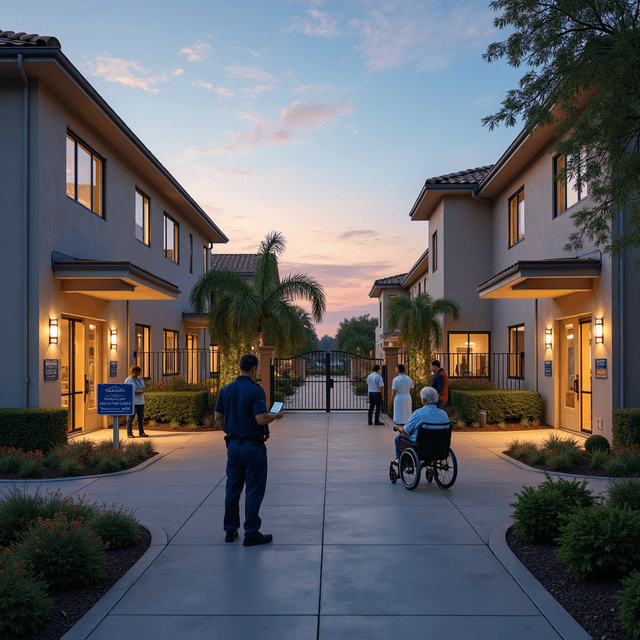
Combining reliable home security systems California with a responsive mobile patrol California presence reduces response gaps, deters crime, and protects homes during wildfire-related evacuations. Invest first in resilient monitoring and clear patrol protocols; scale cameras and automation based on neighborhood risk and budget.
Resource snapshot
Use this guide as your practical checklist for California residential security—prioritize backups, verified monitoring, and a vetted mobile patrol partner to gain real peace of mind.