California Vacation-Home Security 2026: Integrating Smart Tech, Private Patrols, and Local Compliance
Step 1 — Match tech to California rules and high-turnover realities
Choose devices that respect guest privacy and comply with local ordinances (camera placement, audio recording bans, disclosure rules). Favor systems with clear privacy modes and customizable recording schedules.
• Indoor cameras: avoid in private spaces (bedrooms, bathrooms). Use only if disclosed and guest-consent requirements are met.
• Outdoor cameras: place to monitor approaches and parking, not neighbors’ yards. Set to motion-only recording and short retention windows.
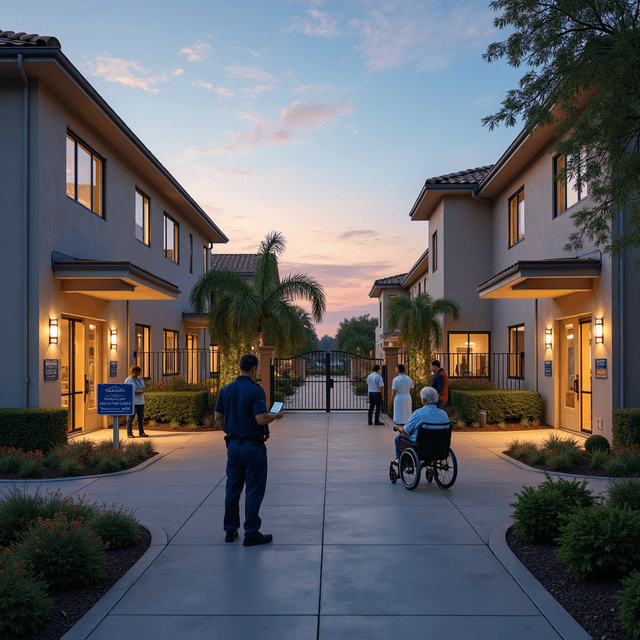
• Door sensors and smart locks: require tamper alerts, event logs, and temporary access codes that auto-expire after each stay.
• Alarm systems: integrate door/window sensors, glass-break, and smoke/CO detection. Ensure verified alarm protocols to avoid false-dispatch fines.
• Data handling: use systems that allow local data deletion and short retention to meet privacy expectations and ordinances.
Step 2 — Design a compatible, low-friction security stack
Build a layered stack focused on prevention, verification, and response while minimizing guest friction.
• Prevention: smart locks + clear check-in instructions + guest screening rules via the platform.
• Verification: outdoor cameras + doorbell cams with motion alerts, set to capture arrivals and disturbances only.
• Response: silent alarm integration with private patrols or monitoring center for verified incidents.
• Interoperability: choose devices that work via common platforms (Z-Wave/Zigbee/Wi‑Fi) and support API or IFTTT for automation.
Step 3 — When to deploy private mobile patrols
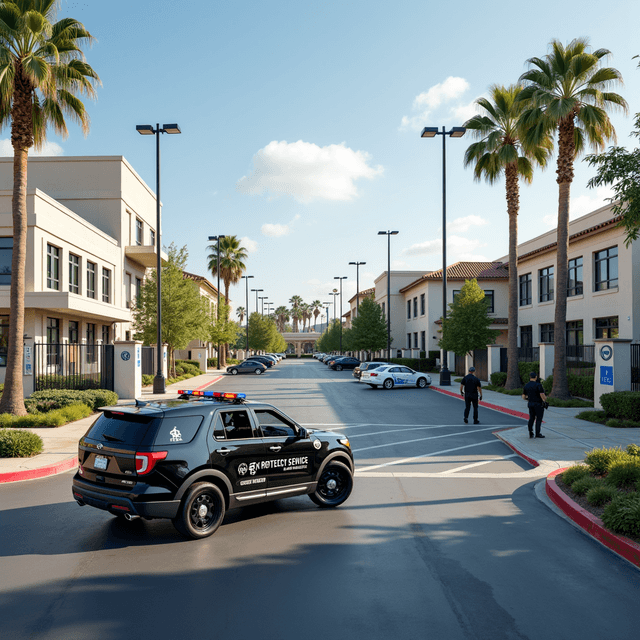
Use patrols selectively to balance cost and deterrence.
• Routine checks: schedule start-of-stay and post-checkout patrols for high-turnover properties or when cleaning windows are tight.
• Triggered checks: dispatch patrols on verified alarm events, suspicious after-hours gatherings reported by neighbors, or repeated noise complaints.
• Visible deterrence: random, irregular patrols reduce predictability and deter rowdy parties without constant staffing.
• Documentation: require officers to log time-stamped photos and brief incident notes—useable for enforcement or insurance claims.
Step 4 — Guest-safety protocols and incident response
Clear, concise safety steps reduce risk and legal exposure.
• Pre-arrival: send safety rules, emergency contacts, and evacuation routes (wildfire season) before check-in.
• On-site: post a simple safety card with nearest exits, local emergency numbers, and property-specific hazards.
• Incident flow: verify → escalate → document. Verification via camera/door sensor + neighbor report → patrol or 911 depending on severity → written incident report and media (photos, timestamps).
• Post-incident: secure scene, reset devices, notify platform if required, and block future bookings for problematic guests pending investigation.
Step 5 — Wildfire-season readiness
Wildfire season demands proactive measures to protect guests and property.
• Detection: ensure functioning smoke/air-quality sensors with remote alerts; set higher sensitivity during red-flag days.
• Evacuation plan: publish clear evacuation routes, local shelter info, and a property meeting point in the listing and guest messages.
• Defensible space: maintain vegetation and clear gutters; document maintenance for liability and insurance.
• Staffing: schedule extra patrol checks on high-risk days and confirm cleaning crew/maintenance availability for quick turnaround after events.
Step 6 — Local permits, ordinances, and disclosure checklist
Comply first—prevention of fines and shutdowns is as important as theft deterrence.
• Permits: verify short-term rental permits, business licenses, and any security-device restrictions required by city/county.
• Camera disclosure: include camera locations and recording policies in the listing and pre-arrival messages per local rules.
• Noise/occupancy rules: post and enforce occupancy limits and quiet hours; document violations for permit renewals or appeals.
• Evidence retention: keep incident logs, patrol reports, and device footage according to local law and platform policies.
Step 7 — Cost-effective checklists for high-turnover hosts
Practical, budget-minded items that deliver protection without overspending.
• Essentials: smart lock + door/window sensors + one outdoor camera + smoke/CO alarms.
• Add-ons as budget allows: video doorbell, professional monitoring, scheduled private patrols, backup power for alarms/internet.
• Monthly checks: test alarms, update firmware, rotate temporary access codes, and review camera retention settings.
• Recordkeeping: keep a digital folder with permits, incident reports, patrol logs, and maintenance receipts for insurance and compliance.
Step 8 — Practical templates and quick scripts (use as-is)
Copy-paste these to save time and stay compliant.
• Camera disclosure line: “Outdoor cameras monitor entryways and parking for safety. No audio recording. Footage retained for X days.”
• Guest safety message (pre-arrival): “Welcome — emergency numbers, evacuation steps, and quiet hours are attached. Please follow all posted rules.”
• Patrol request trigger: “Dispatch private patrol if camera verifies a disturbance, or if noise/occupancy complaints exceed two within 24 hours.”
Final checklist before each stay
Quick verify these to reduce incidents and liability.
• Locks and access codes updated and logged.
• Alarms and detectors tested within 24 hours of guest arrival.
• Cameras set to agreed privacy modes and retention times.
• Patrol schedule confirmed for arrivals or high-risk dates.
• Local permit and listing disclosures up to date.
Bottom line
Pair privacy-conscious smart tech with selective private patrols and strict local-compliance habits. That trio minimizes risk, eases guest experience, and keeps your California vacation home rentable and legally sound.