California Smart Security 2026: A Step-by-Step How-To for Integrating Guard-Grade Services with Smart Home Tech
Why this matters: DIY systems miss gaps that licensed guards, mobile patrols, and professional monitoring fill—especially in California, where wildfires, strict privacy rules, and varied crime patterns change the playbook.
Step 1 — Start with a California-focused threat assessment
• Map assets and risks: property layout, entry points, parking, blind spots, utility shutoffs, and nearby wildfire corridors.
• Time-based patterns: note peak hours, seasonal spikes (e.g., wildfire season, holiday theft windows), and local crime trends from your city or HOA reports.
• Compliance check: identify recordings, signage, and data-retention needs to meet California privacy laws.
Step 2 — Design layered security (perimeter → entry → interior → response)
• Perimeter: lighting, fences, smart gates, and camera coverage with analytics for loitering and perimeter crossing.
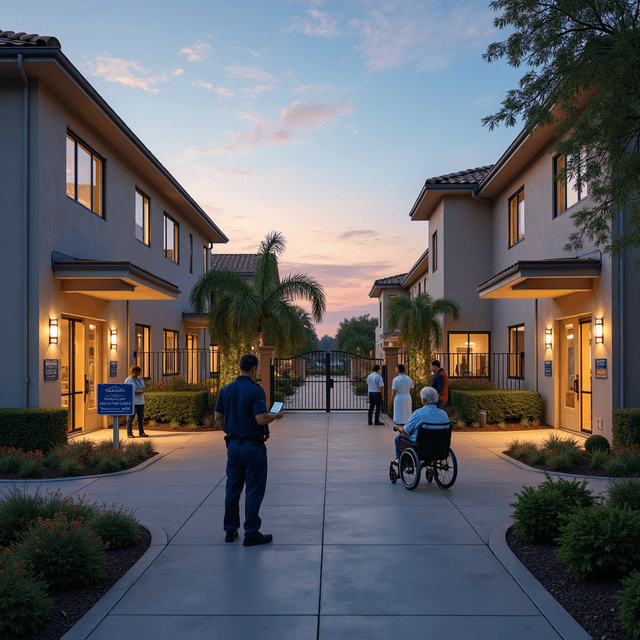
• Entry points: access control (keyless/fob), smart locks, and intercoms integrated with remote verification.
• Interior: motion sensors, interior cameras in public/common areas (mindful of privacy zones), and panic buttons.
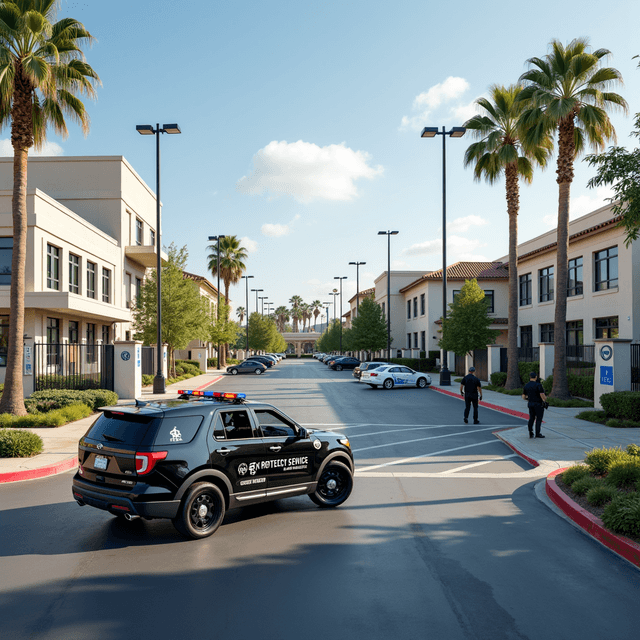
• Response layer: mobile patrol schedules, rapid-dispatch guards, and monitored alarm escalation procedures.
Step 3 — Vet partners: licensing, training, and tech integration
• Verify private security licenses and insurance for any guard provider you consider.
• Ask for vetting evidence: background checks, ongoing training, and guard supervision practices.
• Confirm tech interoperability: require open APIs or verified integrations between cameras, access control, alarm panels, and patrol/mobile apps.
Step 4 — Choose the right tech mix for California needs
• Smart cameras with edge analytics and encrypted cloud backup — prioritize devices that allow selective retention for privacy compliance.
• Access control with remote lockdown capability for wildfire evacuations or active-incident response.
• Alarm integration with monitored response and mobile patrol dispatch.
• Mobile patrol apps that show live guard location, shift logs, incident photos, and two-way communication.
Step 5 — Plan for wildfire, evacuation, and emergency access
• Create evacuation-aware access rules: temporary open-lane protocols for first responders and residents during wildfire orders.
• Ensure remote control of gates and door locks for authorized emergency teams.
• Use sensors (air quality, smoke) that integrate with your monitoring center for earlier alerts and coordinated patrol checks.
Step 6 — Privacy, data retention, and legal basics in CA
• Minimize unnecessary recording in private spaces; post clear signage where recording occurs.
• Set retention policies that balance evidence needs with California privacy expectations—shorter retention by default, longer when incidents occur.
• Get written vendor policies for data access, deletion requests, and breach notification timelines.
Step 7 — Operationalize: patrol scheduling, incident workflows, and drills
• Use layered patrol cadence: randomize routes, increase weekend/holiday coverage, and add seasonal surge plans.
• Define clear escalation paths: automated alerts → monitoring center confirmation → mobile patrol dispatch → on-site guard response → law enforcement if needed.
• Run quarterly drills for evacuations, access lockdowns, and technology failover (power/ISP outages).
Step 8 — Cost vs ROI: what to compare
• Line-item costs: hardware, installation, monthly monitoring, patrol hours, and recurring licensing/subscriptions.
• ROI factors: reduced theft/vandalism losses, lower insurance premiums, faster incident resolution, and tenant/resident satisfaction.
• Practical tip: model a 12–36 month horizon—higher upfront for integrated systems but lower total loss and operational disruption versus DIY setups.
Step 9 — Quick checklist to start integration
• Conduct a documented threat assessment focused on CA risks.
• List required guard credentials, insurance, and vetting proof.
• Identify essential tech: cameras, access control, sensors, and a monitoring partner.
• Define retention and privacy rules aligned with CA law.
• Schedule patrol cadence and emergency escalation flows.
• Ask vendors for integration demos and API documentation.
Final steps — Next actions and who to call
Integrating guard-grade services with smart home tech gives you layered protection that DIY solutions can’t match—especially in California’s complex risk environment. For a tailored assessment and a downloadable California-specific security checklist, talk to a local specialist.
Start your plan with a consultation at
Zenith Protective Service to map threats, pick vetted partners, and deploy without disruption.