California Earthquake Ready Security for Commercial Buildings: Early-Warning, Post-Event Safety, and Access-Control Integration with Private Patrols
Format: How-To Guide — step-by-step actions, practical tips, checklist, and ROI notes.
1. Set the security objective and scope
Define what “earthquake-ready security” means for your site: protecting people first, securing high-value assets, maintaining critical operations, and enabling safe re-occupancy. Tie objectives to California-specific requirements (OSHA, local seismic codes) and tenant expectations.
2. Pre-incident risk reduction — structure, CPTED, and systems
• Structural hardening: coordinate with facilities to secure non-structural hazards (shelving, suspended ceilings, tall cabinets) and fasten critical equipment. Prioritize high-occupancy and lifeline systems (electric, fire, elevators).
• CPTED adaptations for earthquakes: simplify evacuation routes, maximize sightlines to common egress and assembly areas, reduce loose fixtures near exits, and provide protected staging zones for first responders.
• Early-warning integration: install or subscribe to ShakeAlert-compatible alerts and link them to security platforms so access control and alarms can auto-lock or unlock per policy (e.g., unlock for evacuation corridors, lock for perimeter security).
3. Resilient access control — design rules
• Fail-safe vs. fail-secure logic: map door priorities. Use fail-safe (unlock on power loss) for primary egress and shelter areas; use fail-secure for sensitive vaults or server rooms with manual override procedures.
• Power and comms redundancy: ensure access control panels have UPS backup and, where feasible, cellular fallback for controller-to-cloud connectivity. Log locally when cloud is unavailable.
• Post-disaster access policy: predefine verification levels for re-entry (tenant ID + patrol verification, contractor badges, rapid credential revocation), and automate rule changes when ShakeAlert or internal alarm triggers.
4. Integrate private patrols — roles, tech, and workflows
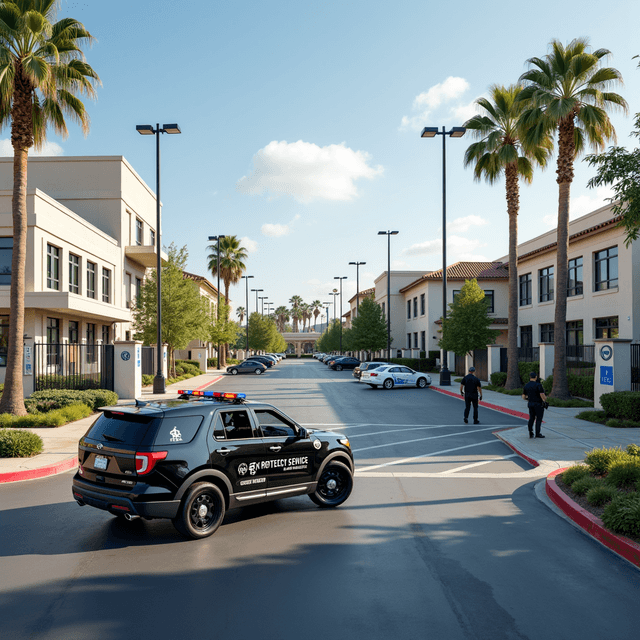
• Rapid post-quake verification: private patrol teams perform immediate safety sweeps, confirm structural hazards, secure perimeters, and validate access-control overrides before tenants re-enter.
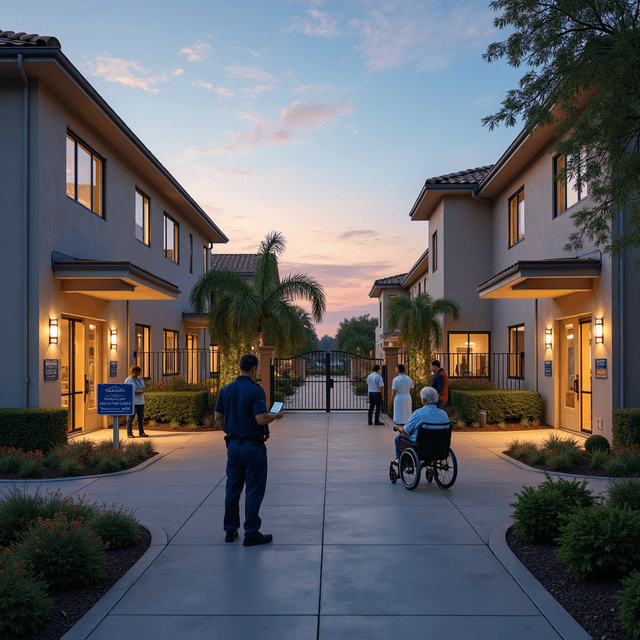
• Shelter-in-place vs. evacuation coordination: patrols act as on-site incident liaisons—direct people to staged shelter areas, monitor crowding, and communicate status to building managers and emergency responders.
• Evidence and chain-of-custody: equip patrols with mobile reporting tools (photo, timestamp, GPS) to document damages and security incidents for insurers and code officials.
5. Communications & command — keep control when networks falter
• Multi-channel alerts: combine ShakeAlert, SMS, PA, two-way radios, and local signage. Test degraded modes (cell congestion, internet outage) regularly.
• Unified incident playbook: one-sheet emergency procedures for security, facilities, tenants, and patrol teams outlining roles, triggers, and authorization levels for access changes.
• Privacy & data integrity: encrypt logs and use immutable local storage for access events during outages to protect tenant data and meet California privacy expectations after disruptions.
6. Operations, training, and exercises
• Tabletop and full-scale drills: include private patrols and local first responders; validate access-control failover and re-entry verification workflows.
• Quick reference cards: give patrols and front-desk staff laminated checklists for post-quake actions (secure utilities, inspect exits, confirm occupants).
• After-action reviews: capture lessons, update playbooks, and adjust system logic or patrol SOPs within 30 days of any drill or event.
7. Compliance and procurement notes for California
• Code alignment: ensure upgrades align with California Building Code non-structural anchorage guidance and local jurisdiction emergency planning requirements.
• Contract terms with providers: require SLA language for post-event patrol response times, documented verification deliverables, and data handling clauses reflecting California privacy norms.
Actionable Checklist — implement in 90 days
• Map critical doors, egress paths, and priority access logic.
• Subscribe to ShakeAlert and link to security platform.
• Install UPS and cellular fallback for access controllers.
• Contract private patrols with explicit post-quake SOPs and reporting tools.
• Run one tabletop drill and one live exercise with patrols and facilities.
• Publish tenant re-entry policy and emergency communications flow.
• Archive local, encrypted access logs for 30–90 days with protected chain-of-custody.
ROI and vendor partnership guidance
• Quantify benefits: faster verification reduces downtime and tenant displacement costs; documented security reduces insurance claims and speeds recovery approvals.
• Cost offsets: basic upgrades (UPS, anchorage, patrol retainer) often cost less than a single week of lost rent for mid-size commercial properties in California.
• Vendor selection: choose providers with earthquake drill experience, mobile reporting, and transparent pricing tied to response time SLAs. Require proof of liability coverage and references for post-disaster performance.
8. Quick recovery sequence to adopt now
1. Immediate: issue occupant alert, unlock primary egress if needed, and dispatch patrols.
2. 0–30 minutes: patrols verify life-safety conditions, secure perimeter, and report hazards with photos.
3. 30–120 minutes: facilities confirm utilities and structural safety; access-control policy switches to re-entry verification mode.
4. 2+ hours: coordinated re-occupancy with documented patrol sign-off and tenant communications.
For turnkey implementation help, resources, or to explore private-patrol integrations and access-control configurations tailored to California earthquake security, visit
Zenith Protective Service.
Final note: prioritize life-safety, simplify decision points, and bake patrol verification into every post-quake access policy. That combination—CPTED-aware design, resilient access control, early-warning, and trained private patrols—keeps tenants safe and gets buildings back to business faster.