California HOA Security Audits 2026: CPTED, Access Control, and Patrol Strategies to Protect Gated Communities
What a practical HOA security audit covers
An effective audit translates risk into clear, prioritized actions. Core components:
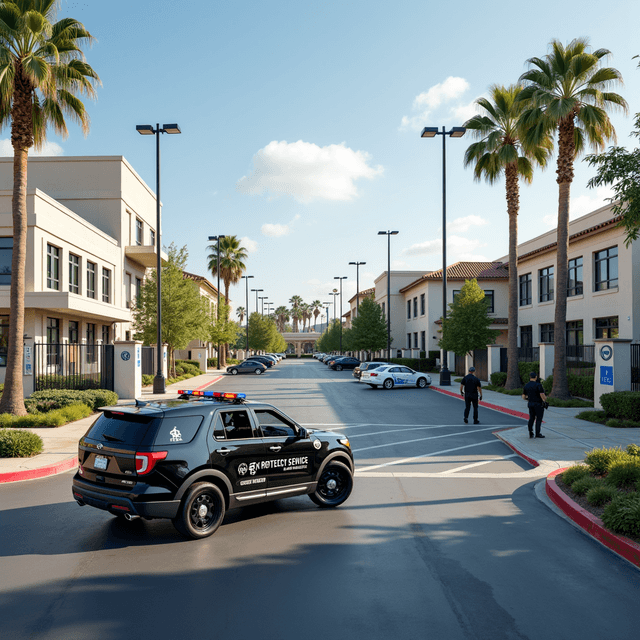
• CPTED assessment (sightlines, lighting, landscape, territorial markers)
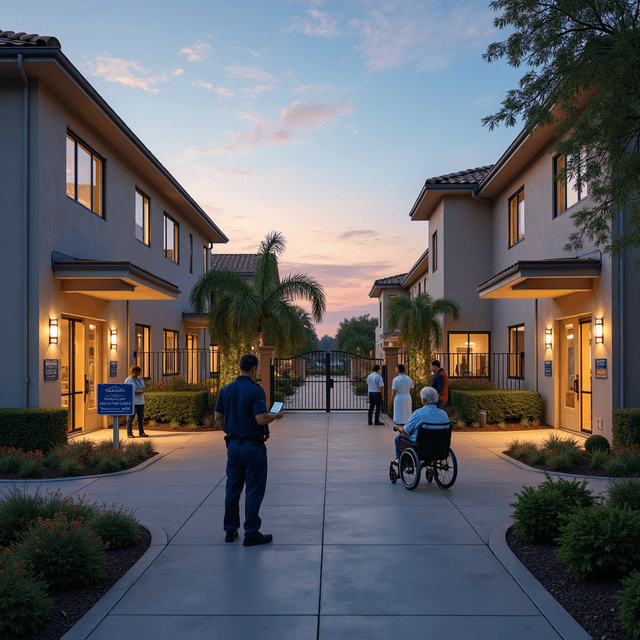
• Access-control review (gates, credentials, visitor workflows, fail-safes)
• Patrol analysis (routes, timing, incident correlation, visible vs. covert presence)
• Technology inventory (cameras, sensors, VMS, integration and retention policies)
• Legal and privacy check (California signage, data retention, access logs, privacy-by-design)
Step 1 — CPTED fixes that reduce incidents without major spend
Focus on low-cost, high-impact changes that improve natural surveillance and resident behavior.
• Improve sightlines: prune or replace shrubs, lower decorative walls, reposition fencing to eliminate blind spots.
• Right-size lighting: switch to targeted LED fixtures, add timers/motion sensors, ensure consistent lux levels along walkways and entries.
• Define space: clear delineation between public, semi-public, and private areas with signage and landscape cues to discourage trespass.
• Maintain walkways and sight corridors in management contracts so CPTED gains persist.
Step 2 — Access control: balance convenience, cost, and liability
Choose solutions that match community size, traffic patterns, and legal obligations under California law.
• Gated entries: prefer automated gates with timed fail-open/closed logic and redundant power for emergencies.
• Credentialing: use multi-option credentials (fobs, mobile QR, guest links) and adopt time-limited visitor passes to limit misuse.
• Remote verification: integrate call-box video verification and recorded logs to provide audit trails while minimizing front-desk demands.
• Data & privacy: set camera retention limits, role-based access to logs, and clear resident notice to comply with state privacy expectations.
Step 3 — Patrol strategy tied to data, not guesswork
Design patrols around incident patterns and deterrence needs rather than fixed schedules alone.
• Analyze incident data: cluster by time, location, and type to set high-risk windows and hotspots.
• Mix visible and unpredictable patrols: scheduled presence deters, random checks catch patterns and test controls.
• Route design: rotate stop points, prioritize ingress/egress lanes, parking areas, and common amenities identified in the CPTED audit.
• Technology integration: pair uniformed patrols with remote monitoring feeds and community reporting apps to shorten response windows.
Step 4 — California legal considerations
California-specific rules influence how audits translate into action.
• Privacy & signage: notify residents of audio/visual surveillance; follow state guidance on biometric or facial-recognition avoidance.
• Records & access: set retention schedules for footage and access logs; restrict who can retrieve records and document requests.
• ADA & emergency access: gates and access systems must permit emergency responder entry and accommodate residents with disabilities.
Step 5 — Cost-effective tech upgrades
Prioritize interoperable, scalable investments that deliver measurable risk reduction.
• Start with analytics-lite cameras for perimeter and entries, then scale to VMS if needed.
• Use cloud-managed access control for lower capital and predictable maintenance costs.
• Leverage resident apps and guest portals to reduce front-gate labor while keeping logs for accountability.
Step 6 — Reporting, prioritization, and implementation oversight
Turn audit findings into a usable plan with timelines and owners.
• Prioritized recommendations: immediate safety fixes, near-term upgrades, and longer-term capital projects.
• Budget-level estimates: provide ranges so boards can approve staged funding rather than guessing costs.
• Implementation oversight: regular check-ins during procurement and install ensure CPTED, access, and patrol measures work together.
How Zenith frames audits for HOAs
We deliver concise audit reports with clear priorities, compliant recommendations for California communities, and hands-on oversight through implementation. Our approach balances resident privacy, operational convenience, and budget reality so boards can act with confidence.
Quick checklist for HOA boards
• Approve a CPTED review and incident-data export
• Evaluate gate logic and credential options against emergency access rules
• Schedule patrol adjustments for identified hotspots and times
• Require a privacy & retention plan for any camera or access logs
• Fund highest-impact CPTED fixes first; phase technology upgrades with oversight